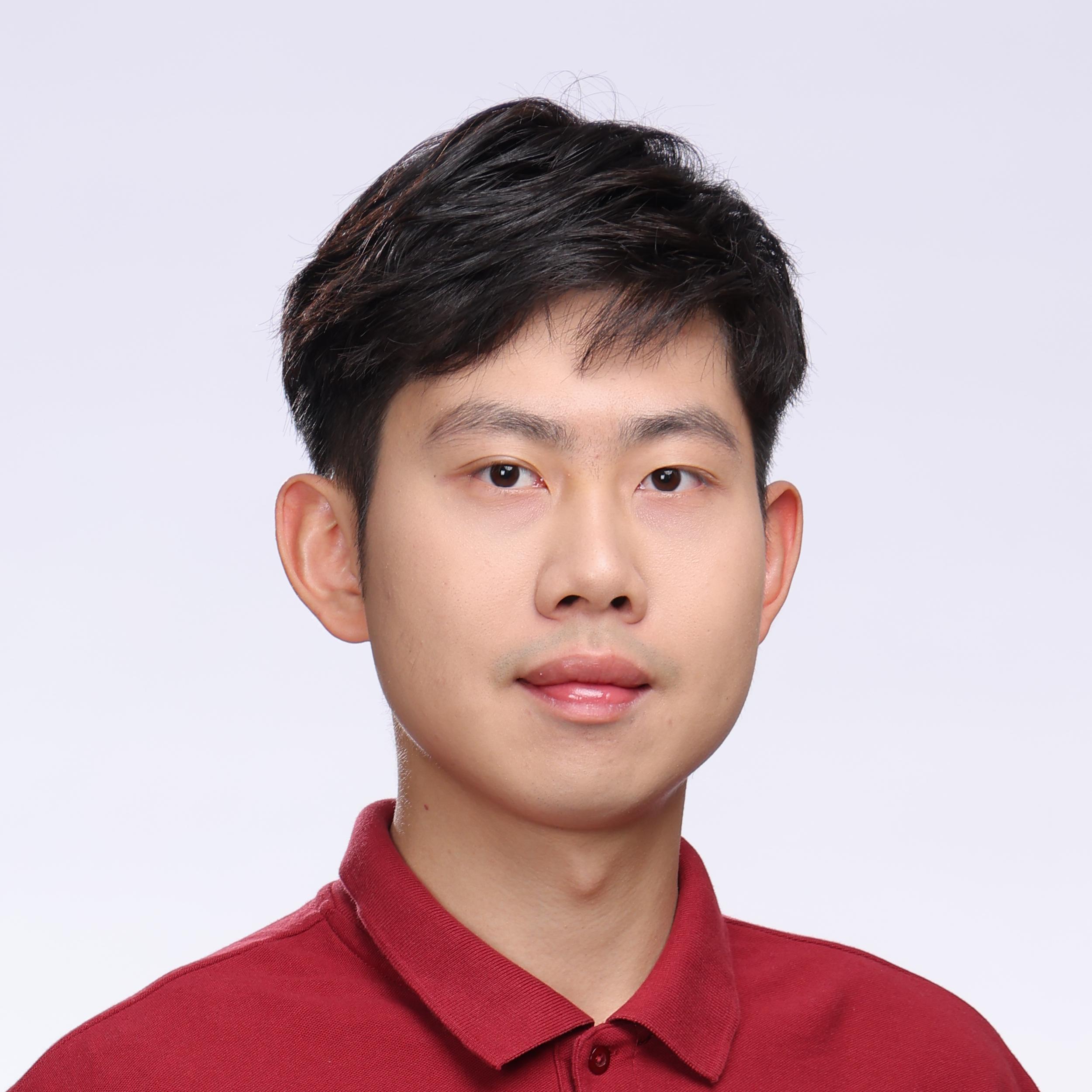
I am an eight-year M.D. candidate at Fudan University Shanghai Medical College and a physician-scientist in training. My work sits at the intersection of clinical medicine, computational biology, and artificial intelligence.
I build reliable agentic and multimodal AI systems for biomedical discovery. Rather than treating AI as a generic assistant, I study how it can recover fragmented scientific evidence, connect tissue morphology with molecular states, and preserve correct reasoning in multi-agent systems.
Research Agenda
My current work is organized around three connected themes:
- Agentic AI for science: autonomous, evidence-grounded systems for curating scientific data and executing complex research workflows.
- Multimodal biomedical AI and spatial omics: methods that integrate histology, spatial transcriptomics, and clinical knowledge to study tissue microenvironments and neurological disease.
- Reliable multi-agent reasoning: understanding how candidate generation, judge reliability, communication, and terminal answer selection determine system performance.
The long-term objective is to develop general computational systems that make biomedical research more scalable, reproducible, and scientifically useful.
Selected Research
Candidate supply and answer selection shape the value of LLM judging in multi-agent systems
First author · arXiv:2608.25937 · 2026
We separate multi-agent reasoning into candidate generation, answer recognition, and terminal selection. Across five benchmarks, the study shows that a correct answer is often already present but can be lost during consensus. Combining answer frequency with an LLM judge changes only the final selection rule and improves accuracy from 63.82% to 70.82–70.95%, primarily by rescuing correct answers outnumbered by popular errors.
SpatialDataAgent: Autonomous Spatial Omics Data Curation at Decade Scale
First author and lead developer · bioRxiv preprint · 2026
SpatialDataAgent is an evidence-grounded agentic workflow for recovering and standardizing fragmented multimodal spatial-omics records. Applied to a decade of GEO records, it identified 769 paired H&E–spatial transcriptomics datasets and assembled HESRT, a datalake containing 29.2 million spots or cells.
Spatiotemporally resolved transcriptome unveils reactive subpallial microglia underlying cholinergic vulnerability in Alzheimer’s disease
Co-first author · Under review at Cell
This work combines spatial transcriptomics, single-nucleus sequencing, and in situ pathology to study the spatiotemporal organization of Alzheimer’s disease and the relationship between reactive microglia and cholinergic vulnerability.
Research and Clinical Experience
Fudan Data-Driven Future Lab & Institute of Medical Genetics
Research project leader · 2023–present
Under the supervision of Prof. Jin-Tai Yu and Prof. Zhiyuan Yuan, I work on spatial multi-omics, Alzheimer’s disease, and agentic systems for biomedical data. My contributions include multimodal tissue registration, large-scale spatial-data curation, and computational analysis of disease-associated tissue microenvironments.
Fudan University, Prof. Bin Song’s Lab
Undergraduate researcher · 2021–2023
I developed single-cell RNA-sequencing analysis pipelines for research on iPSC-derived dopaminergic progenitor transplantation in Parkinson’s disease.
Institutes of Biomedical Sciences, Fudan University
Undergraduate researcher · 2019–2021
I received early wet-lab training in molecular biology, DNA methylation, and epigenetics in Prof. Fei Lan’s laboratory.
My clinical training has included an elective at HKU Queen Mary Hospital and medical rotations at Fudan-affiliated hospitals. These experiences keep my computational work anchored to clinically meaningful questions.
Background
I grew up in Guangzhou in a Teochew family. Early training in biology, including a provincial top-ten result in the National Biology Olympiad, led me toward scientific research. I later completed an exchange program at UCLA and gradually moved from wet-lab and single-cell analysis toward multimodal AI and autonomous research systems.
I also teach and share practical AI workflows for medical students and researchers, with an emphasis on turning new tools into reproducible scientific practice rather than one-off demonstrations.
Beyond Research
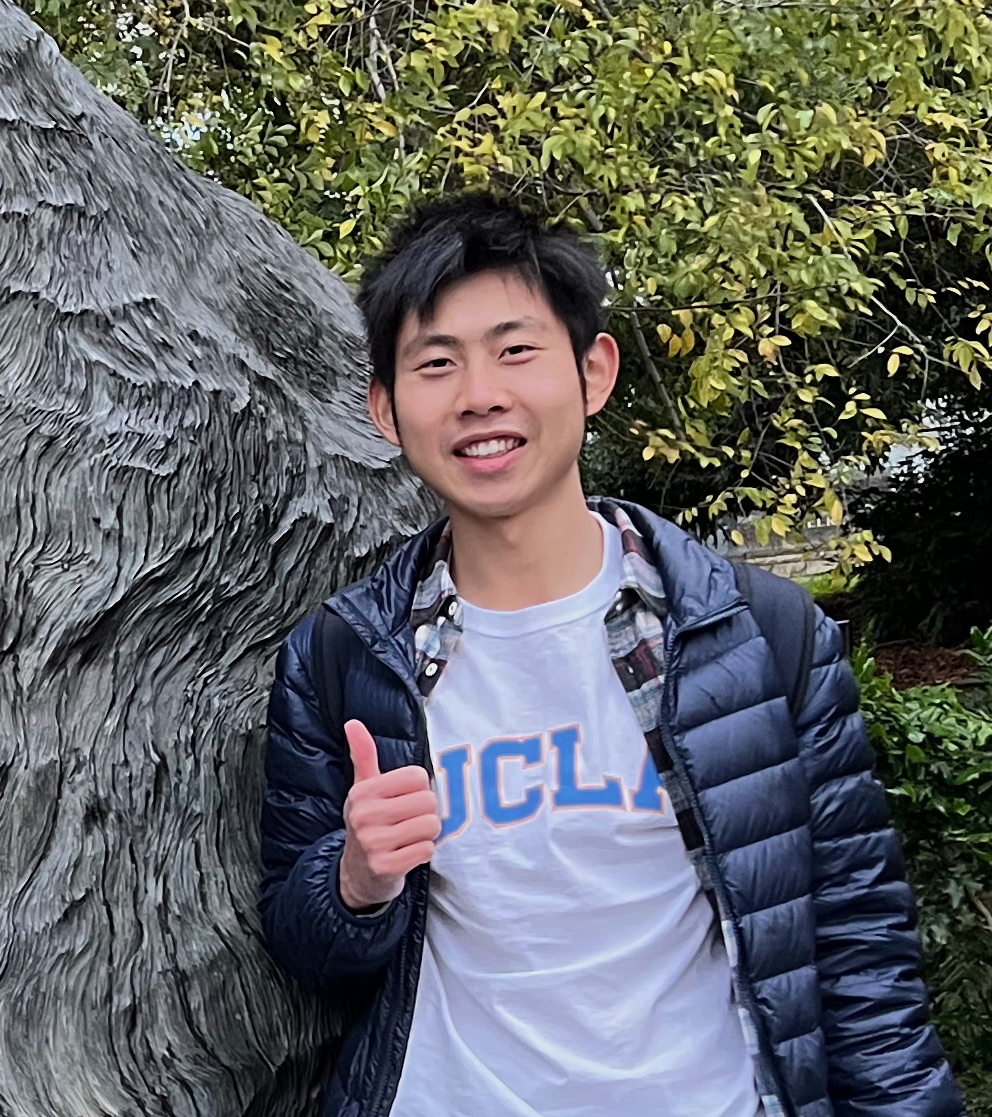
At UC Berkeley during my UCLA exchange program, 2021–2022.
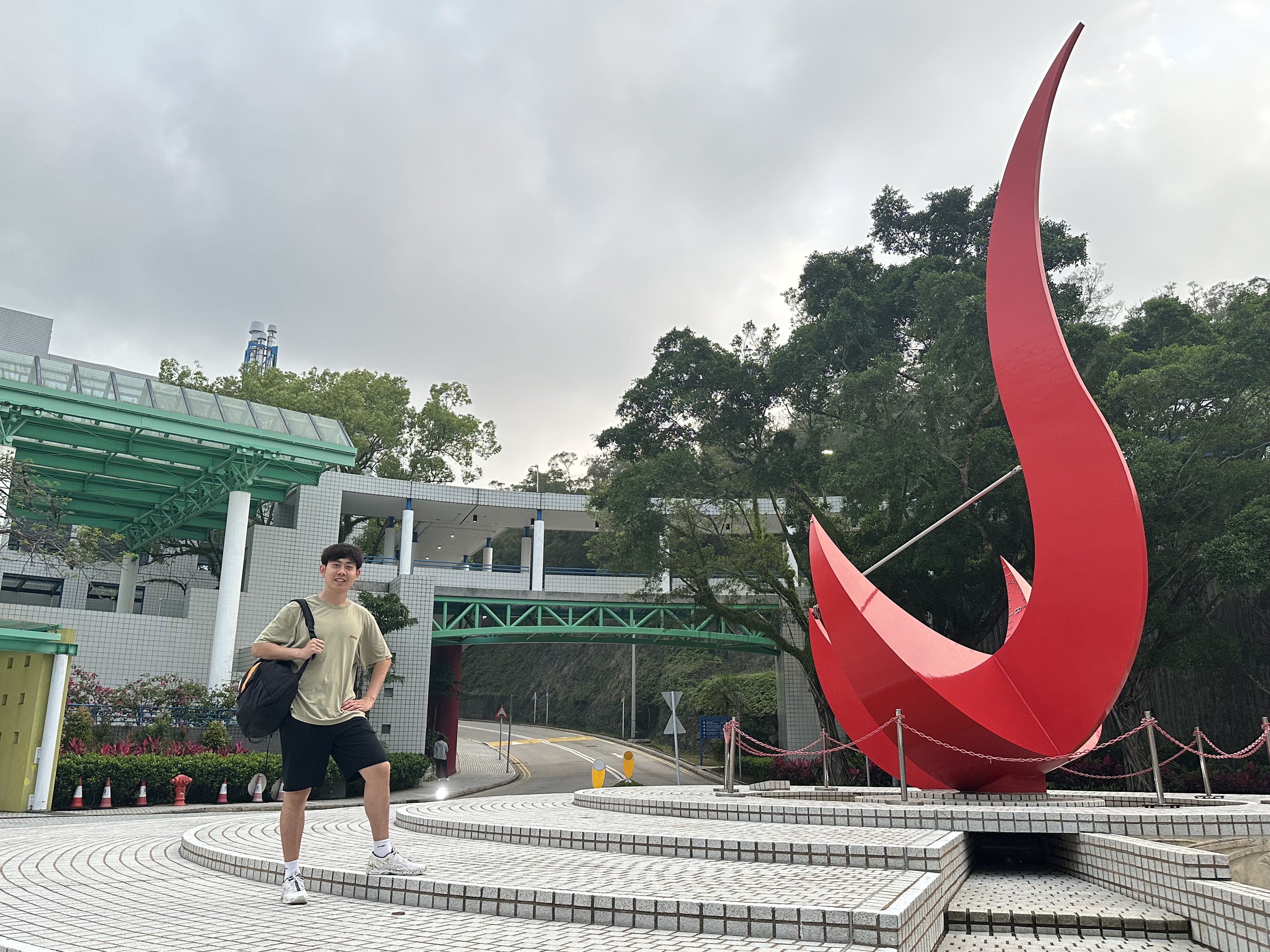
Visiting the Hong Kong University of Science and Technology during my HKU clinical elective, 2025.